The Clock That Runs on Frost: Four Plants That Tell You When to Pick Them
- Roland Koronya


In 1736, a Norfolk landowner named Robert Marsham began writing down when things happened on his estate near Norwich.
The first snowdrop. The first cuckoo. The day the hawthorn came into leaf.
He called the list his Indications of Spring, and he kept it for the rest of his life. Then his family kept it going after him, generation after generation, until 1958.
Two hundred and twenty-two years of one family looking out of the window and noting down what the plants were doing.
It sounds like a gentleman’s eccentricity. It turned out to be one of the most valuable records in British science.
Why He Bothered
The thing worth noticing is why Marsham bothered at all.
A date on a calendar tells you almost nothing about a plant. The plant itself tells you everything: whether the season is early or late, whether the cold has come, whether the fruit has finished what it set out to do.
Herbalists have always known this.
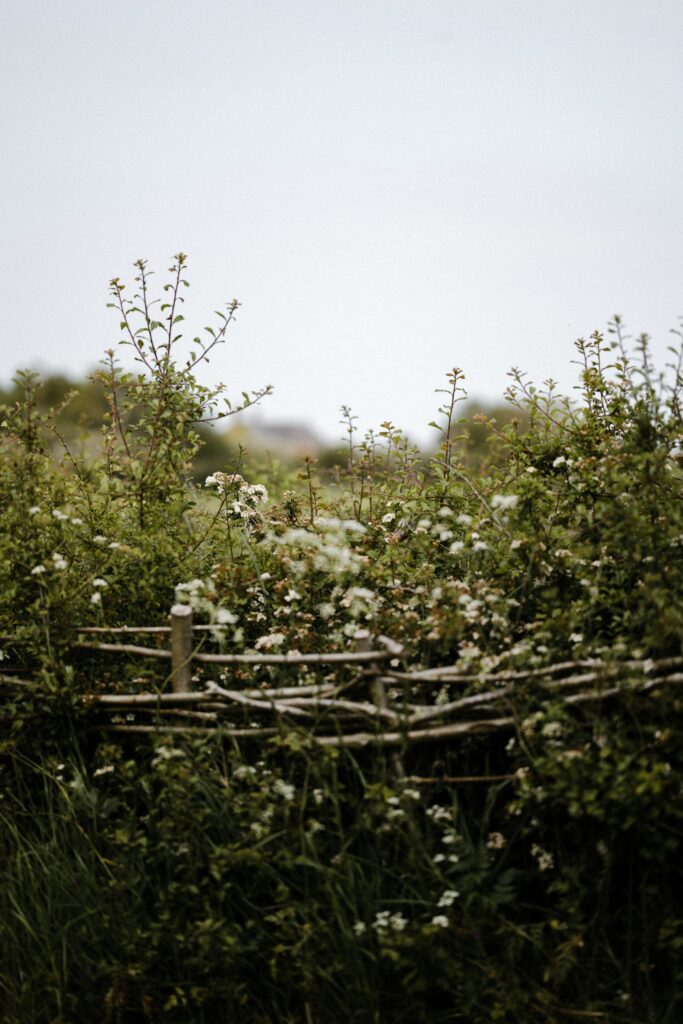
The hedgerow is a clock. And in October it is striking four.
The Hips That Wait for the Frost
Rose hips begin as hard green knobs at the base of the fallen flower, and for weeks they are useless.
Then they turn deep red or orange. And still the old foragers wait, because a good frost sweetens them. The sourness softens and the fruit becomes something you would actually want to eat.
No date on a calendar can promise that. It arrives when the cold arrives.
Hips are among the most nutritious parts of the rose, and Britain once relied on that. During the Second World War, with oranges scarce, the Women’s Institute and other volunteer groups were asked to gather hundreds of tons of them so pharmacists could turn them into a vitamin-rich syrup. It is a stranger and more revealing story than it sounds, and I have told it in full in The Red Globes.
Pick from wild roses in woodland edges and hedges, never from sprayed garden roses, and leave plenty for the birds.
The Berry That Wants to Be Soft
The hawthorn that Marsham watched leaf in spring is now offering its answer.
Haws are ready when they are deep red and just slightly soft to the touch, rather than hard and glossy. The old herbal calendars say mid-September to mid-October, but a late summer pushes the date later and an early cold snap pulls it forward.
Press one gently. It should give a little.
Sour, red, and cooling, the berries are regarded in the tradition as a slow, patient tonic for the heart and the circulation, the kind of plant that works over months, not days.
That patience is part of the character. Hawthorn is not a remedy to reach for in a hurry. It is a hedge you learn to know, and that is precisely why it is worth harvesting yourself. The fuller case for it, as the plant that quietly guards the heart, is one I have made in Hawthorn: The Hedge Plant That Guards the Heart.
Mind the thorns.
The Root That Must Be Dug in Time
Burdock is a two-year plant, and it only wants to be eaten in its first.
In year one it makes a low rosette of large, rhubarb-like leaves, pale and downy underneath. The root below is at its best after the first cold snap. In year two, the plant sends up a tall, burr-bearing stalk, and the root turns woody and not worth the digging.
Two notes for British foragers.
The herbal literature names greater burdock, but the burdock you are most likely to meet on a Cornish lane or a Pennine verge is lesser burdock, and the two hybridise, so a patch rarely reads like a textbook. Positive identification before digging is not optional.
And digging up a root is different in law from picking fruit: you need the landowner’s permission to uproot a wild plant, even for personal use.
What you get for the effort is a plant the tradition calls the all-purpose alterative, neutral to slightly cooling and moistening, a herb said to answer both dry, depleted tissue and damp, stagnant tissue. It is a plant for slow cleansing, harvested at the moment it has stored everything the year gave it. That reputation is older and oddly more respectable than you might expect: burdock was the dirt-cheap liver herb that Victorian doctors prescribed like sweets.
The Seed Nobody Thinks to Pick
Everyone knows nettle in spring, when the young leaf is the first green food of the year.
Almost nobody thinks of it in autumn.
But the seed has its own clock: it is ready when the flower heads turn from white to green, plump and drooping. Wear gloves, strip the heads, and spread the seed out to dry. It goes into tea, tincture, or simply into food.
It is the most overlooked part of one of Britain’s most familiar plants, and it is waiting in nearly every field margin. The sting that keeps everyone at arm’s length is worth understanding in its own right, which is what I explore in The Boundary Problem.
A Clock That Is Beginning to Drift
The most unsettling thing about Marsham’s record is what it now shows.
Researchers comparing his dates against temperature have found that beech comes into leaf about four days earlier for every degree of warming, and birch about ten.
The clock he started has begun to run fast.
Which is exactly why the plants beat the calendar. A date printed in a book is a promise made in a different climate. A hip that has felt the frost, a haw that gives under the thumb, a burdock rosette after the first cold snap: these are statements about this year, in this place.
Keep a notebook. Write down what you see, when you see it. Marsham would approve, and so would every herbalist who ever learned the difference between knowing a plant and knowing about one.
That habit of learning to read plants by their own signals, and not by someone else’s schedule, is the kind of patient attention we build together in our Herbal Foundations Course.
The hedgerow has been keeping time all year.
It is simply waiting for someone to look up.