The Detox Delusion: Why Your Spring Cleanse Is Making You Sick
- Roland Koronya


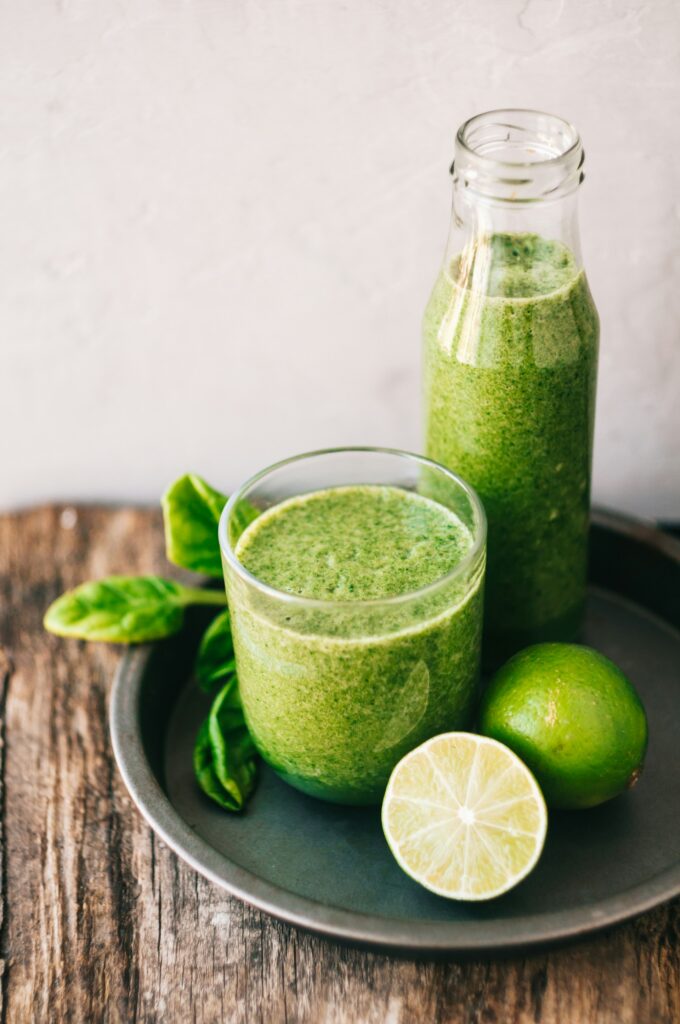
Every March, like clockwork, the same conversation happens in health food shops across Britain.
Someone asks about a cleanse. The shop assistant recommends a kit—usually something involving activated charcoal, spirulina, and a precise regimen of juices consumed at specific intervals. The customer buys it. Two weeks later, they feel worse.
Not better. Worse.
Exhausted. Cold. Slightly nauseous. Their digestion, which was supposed to improve, has become unpredictable. They assume this is “toxins releasing” and push through. Or they quietly abandon the cleanse and feel like they’ve failed.
Here’s the puzzle: Why does the exact same cleanse make some people feel energized and others feel terrible? Why does the same protocol—sold to thousands of people, marketed as universally beneficial—seem to help a handful while harming the rest?
The answer, it turns out, has almost nothing to do with toxins. And everything to do with a pattern that’s been repeating since humans first paid attention to seasons.
What the Garden Knows
Stand in a British garden in late February and you can feel something shifting.
It’s not quite warmth yet, but the quality of cold has changed. There’s moisture in the air that smells different from winter rain. And beneath the soil, something remarkable is occurring.
Plants that have been dormant all winter—their energy drawn down into roots, their above-ground parts dead or sleeping—are beginning to reverse the flow. Sap rises. Buds swell. Energy that spent months consolidating and storing is now mobilizing. Moving upward and outward.
This isn’t a metaphor. It’s the same process that happens in human bodies.
Winter is a time of consolidation. Energy moves inward and downward. Metabolism slows. We rest more, move less, eat denser foods. The body, like the garden, is storing and conserving. But this creates a particular pattern by late winter: accumulation. Stagnation. The fluid and energy that moved inward needs, when spring comes, to move back out.
Traditional Chinese Medicine calls this the “wood” phase—the rising, expanding, greening energy of spring. Wood governs the liver and gallbladder, the organs responsible for the smooth flow of qi and blood throughout the body. When wood energy is healthy, things move. When it’s stuck, everything stagnates.
This is why spring is liver season. As winter’s stored, stagnant energy begins to mobilize in spring, the liver has to process it. And if the liver is already congested—from a winter of heavier foods, less movement, accumulated stress—that spring mobilization can feel terrible.
The Chemical Plant
Let’s be precise about what’s happening physiologically, because the language of “toxins” and “cleansing” obscures the actual mechanisms.
Your liver isn’t a filter that gets clogged with sludge. It’s a chemical processing plant that transforms substances from one form to another so they can be eliminated through bile, urine, or breath.
In winter, if you’ve been eating rich foods, drinking more alcohol, moving less, your liver has been working steadily to process all of this. But the bile it produces—the thick, greenish fluid that helps digest fats and carries waste products—can become sluggish. Not because the liver is failing, but because the whole system is in winter mode: conserving, consolidating, not emphasizing elimination.
Then spring arrives.
Your body receives the signal—longer days, different light, warming temperatures. It begins shifting from storage mode to growth mode. Metabolism speeds up. Fluids start moving. And all that accumulated waste product that’s been sitting in sluggish bile and congested tissues starts mobilizing.
If your liver and elimination pathways are already functioning well, this transition feels energizing. You feel the spring energy as actual energy—clarity, vitality, the impulse to move and grow and do.
But if your liver is already overburdened, if your bile is thick and sluggish, if your body has more accumulation than it can process smoothly, then spring mobilization feels like crisis. Headaches. Skin breakouts. Erratic digestion. Irritability. Fog. Spring colds or allergies as your body attempts to eliminate through any route it can find.
This is the pattern that traditional herbalism recognized and addressed with bitter herbs and alteratives—herbs that support the body’s natural elimination pathways. Not by forcing anything out, but by improving the function of the organs responsible for transformation and elimination.
Which brings us back to our puzzle.

The One-Size-Fits-All Fallacy
The modern detox industry operates on a simple assumption: everyone needs the same thing. A hard reset. A purge. A dramatic clearing out.
But here’s what they’re missing—and it’s extraordinary that they’re missing it, because it’s been understood for thousands of years.
Some people genuinely do have accumulation and stagnation. Their tissue state is “damp” and “stagnant.” Their tongue has a thick coating. Their pulse is sluggish. Their digestion is slow. Their skin is congested. They feel heavy, foggy, bloated.
For these people—and only these people—spring cleansing with bitter herbs and gentle alteratives makes sense.
But many people attempting spring cleanses are already depleted. Their tissue state is “dry” and “deficient.” They run cold. They’re tired not from accumulation but from depletion. Their digestion is weak from lack of vitality, not from congestion. Their tongue is pale or dry, not coated.
When these people do an aggressive cleanse—fasting, drinking only juices, taking strong bitters and liver-flushing herbs—they don’t eliminate toxins. They further deplete an already deficient system.
The vitalist principle that’s being violated here is fundamental: you cannot force the body to do what it doesn’t have the energy to do. Elimination requires energy. Transformation requires heat and vitality. If you’re already cold and depleted, aggressive cleansing doesn’t clean you out—it exhausts you further, suppresses your digestive fire, and often drives the very stagnation you’re trying to clear deeper into tissues because the body doesn’t have the strength to process and eliminate it.
This is why people feel terrible doing cleanses. Not because “toxins are releasing” but because they’re working against their constitutional pattern.
The Four Patterns
Traditional herbalism, practiced properly, always begins with assessment. Not of symptoms—”I feel bloated, I need a cleanse”—but of underlying patterns. Tissue states. Is the imbalance characterized by heat or cold? Dampness or dryness? Tension or laxity?
A person with damp, hot stagnation looks and feels entirely different from a person with cold, dry depletion, even if both complain of “feeling toxic” in spring. The first person needs cooling, drying, moving herbs. The second person needs warming, building, gentle stimulation.
Give them the same cleanse and you’ll help one while harming the other.
Consider the Hot, Damp Pattern: This person has been eating rich, heavy foods all winter. They drink regularly, perhaps more than they should. They move less than they’d like. By spring, they’re carrying extra weight, their digestion is sluggish, they get headaches and skin eruptions, they feel heavy and foggy. Their tongue has a thick, greasy coating, often yellowish. Their pulse is full and slightly slippery.
This person genuinely needs spring cleansing. Cooling bitters like dandelion root and yellow dock. Gentle alteratives like cleavers and nettles. Cholagogues like artichoke or milk thistle that stimulate bile flow. These herbs don’t force anything—they support the liver’s natural function, help bile flow more freely, gently encourage elimination through proper channels.
Now consider the Cold, Damp Pattern: This person also has accumulation and stagnation, but theirs is cold. They feel heavy and foggy, but they’re also cold—cold hands and feet, poor circulation, weak digestion that’s worse in damp weather. Their tongue has a thick, white coating. Their pulse is sluggish and deep.
This person needs spring support, but not cooling bitters. They need warming, aromatic bitters like mugwort or gentian with warming carminatives like ginger. A cold juice cleanse would be disastrous for this constitution—it would further chill an already cold system.
Then there’s the Dry, Deficient Pattern: This person is tired. They’ve been pushing through winter on willpower and caffeine. They’re thin or losing weight without trying. Their skin is dry. Their digestion is weak—not slow and heavy, but weak and easily upset. Their tongue is dry, possibly cracked, with little or no coating. Their pulse is thin and rapid.
This person doesn’t need cleansing at all. They need nourishment and building. Giving them a harsh cleanse would be like trying to clean an empty house by taking out more furniture. There’s nothing to clean—they need replenishing.
The Bitter Secret
Here’s where it gets interesting.
Bitter herbs work by stimulating the bitter receptors on your tongue, which triggers a cascade of digestive responses: increased saliva, gastric acid, bile, pancreatic enzymes. This is why bitters are traditionally taken before meals, in small amounts, on the tongue. A dropper of bitter tincture before eating does more than a capsule of dried herb taken after.
But bitters are also cooling and drying. If you’re already cold or deficient, they’ll make you colder and more deficient over time. This is why traditional use of bitters was often in formulas with warming aromatics—to balance the cooling nature of the bitter with the warming nature of herbs like ginger, fennel, or cardamom.
The strongest bitters—gentian, wormwood, rue—are for the most severe cases of stagnation and should only be used short-term, usually just two to four weeks. Milder bitters like dandelion root or burdock can be taken longer, especially if you’re actually accumulating and need ongoing support.
But here’s what modern cleanse culture misses: bitter herbs support liver function. They don’t “detox” the liver. The liver doesn’t need detoxing—it needs functioning. If bile is sluggish, bitters help it flow. If digestion is weak from deficiency, bitters weaken it further.
The Slow Medicine
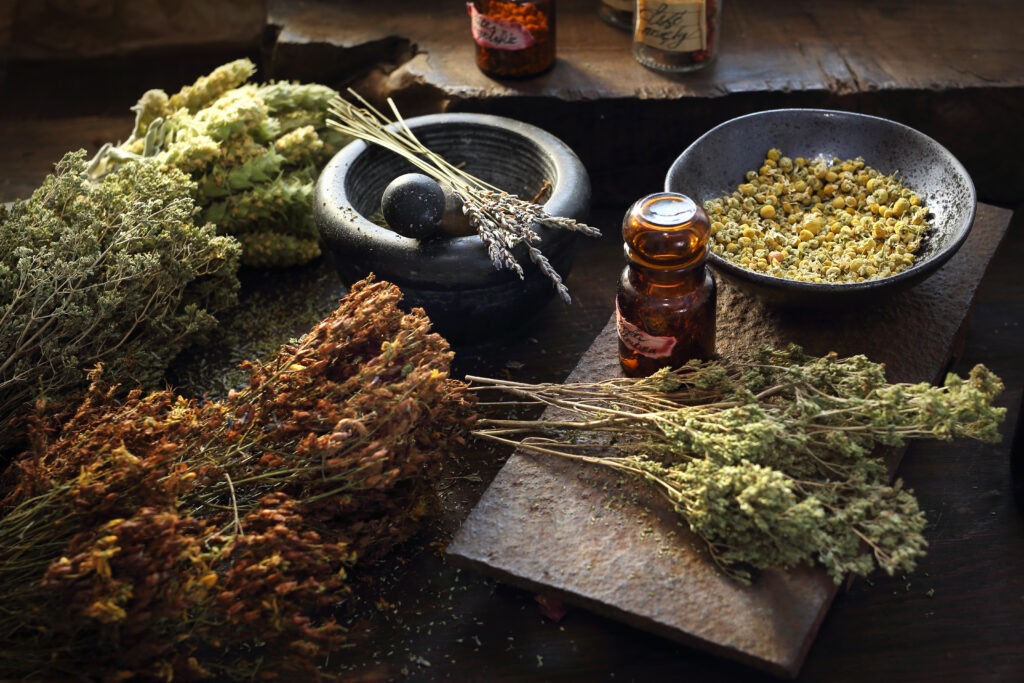
There’s another category of spring herbs that’s often confused with detox: alteratives.
Old herbals call them “blood purifiers,” which sounds antiquated until you understand what they actually do. Alteratives support the body’s natural elimination pathways—kidneys, lymph, liver, skin, lungs—gradually, cumulatively, over time.
Think of alteratives as the herbs that help your body do what it’s already trying to do, just more efficiently. They don’t force anything. They don’t create dramatic elimination crises. They quietly, over weeks and months, improve the function of the organs responsible for processing and eliminating waste products.
Nettle is an alterative. So is cleavers, red clover, burdock, and yellow dock. These herbs work slowly. You don’t feel them dramatically the way you feel a strong bitter or a harsh laxative. You take them daily for a month and notice your skin is clearer, your energy is more stable, your seasonal allergies are less severe.
This is real spring cleansing: supporting the body’s natural transition from winter storage to spring growth, from accumulation to elimination, from stagnation to flow. Not through heroic intervention, but through gentle, sustained support of the organs that manage these transitions naturally.
The key is knowing which alteratives for which constitution. Cooling alteratives like cleavers for heat. Warming ones like sarsaparilla for cold. Moistening ones like marshmallow for dryness. And always considering whether the person needs moving or building.
Return to March
So we return to that health food shop in March.
The customer who feels terrible two weeks into their cleanse isn’t failing. The cleanse is failing them. They’re being given a protocol designed for one constitutional pattern when they have another. They’re being told to eliminate when they need to build. They’re being cooled when they need warming. They’re being dried when they need moistening.
The trendy cleanse kits, the juice fasts, the aggressive protocols—they’re built on an allopathic model dressed up in natural language. They treat the body as a machine that needs periodic flushing rather than an intelligent system that’s constantly self-regulating and just needs appropriate support for the season.
Real spring medicine is slower, subtler, and infinitely more personal. It requires you to pay attention to your body—is it hot or cold, damp or dry, excess or deficient?—and choose herbs and foods that support your actual pattern, not the pattern someone’s marketing department decided everyone should have.
For the person with genuine accumulation and stagnation, it means lighter foods, more vegetables, especially bitter greens like dandelion and arugula. Gentle bitter herbs before meals. Alteratives taken daily. More movement. Earlier wake times to align with lengthening days. Perhaps periodic gentle fasting—skipping a meal here or there—but not extreme restriction.
For the person who’s depleted and needs building, spring means nourishing broths and cooked greens. Gentle warming herbs. More sleep, not less. Building foods like eggs, good fats, root vegetables. Nervine tonics to restore the nervous system. Absolutely no aggressive cleansing.
The common thread is this: work with your body’s intelligence, not against it. Support the transition your body is already trying to make rather than forcing a transition it’s not ready for.
The Hedgerow's Wisdom
The hedgerow has been doing this for millennia, producing bitter greens and alterative herbs precisely when the British climate and British bodies need them.
But the hedgerow doesn’t offer one formula for everyone.
It offers a whole pharmacy. And the art is knowing which medicine is yours.
This kind of constitutional wisdom—learning to read your own patterns and match them to herbs and seasons—is what real herbalism has always been about. Not what everyone should do. But what your particular body, in your particular climate, with your particular constitution, actually needs.
And sometimes, the deepest cleansing comes not from elimination, but from finally giving your body what it’s been asking for all along.