The Tree Overhead: Britain’s Most Invisible Medicine
- Roland Koronya


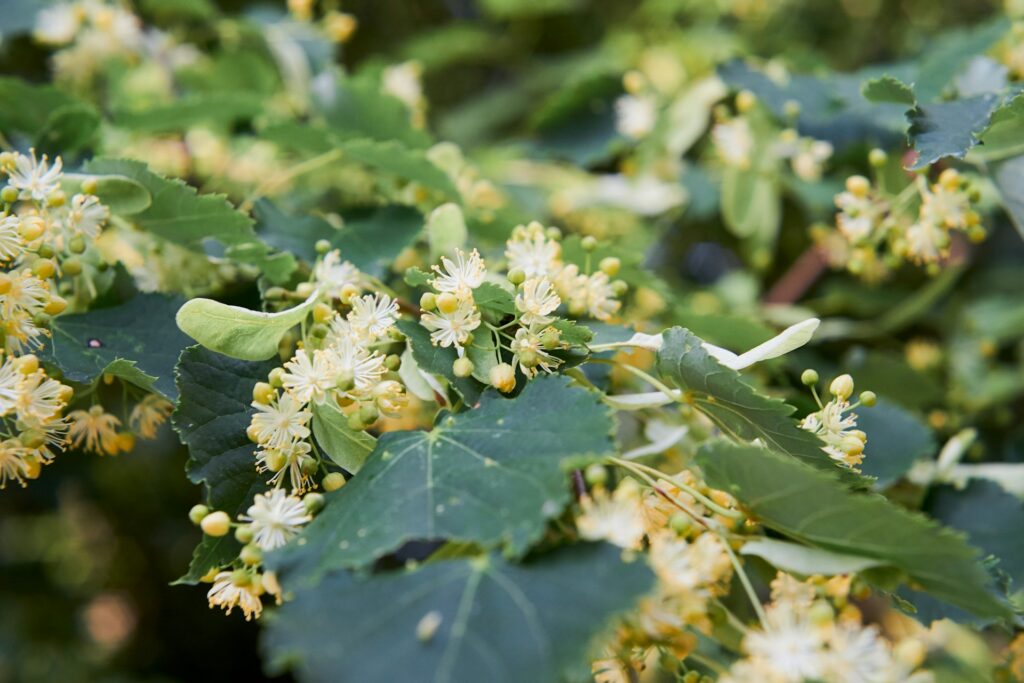
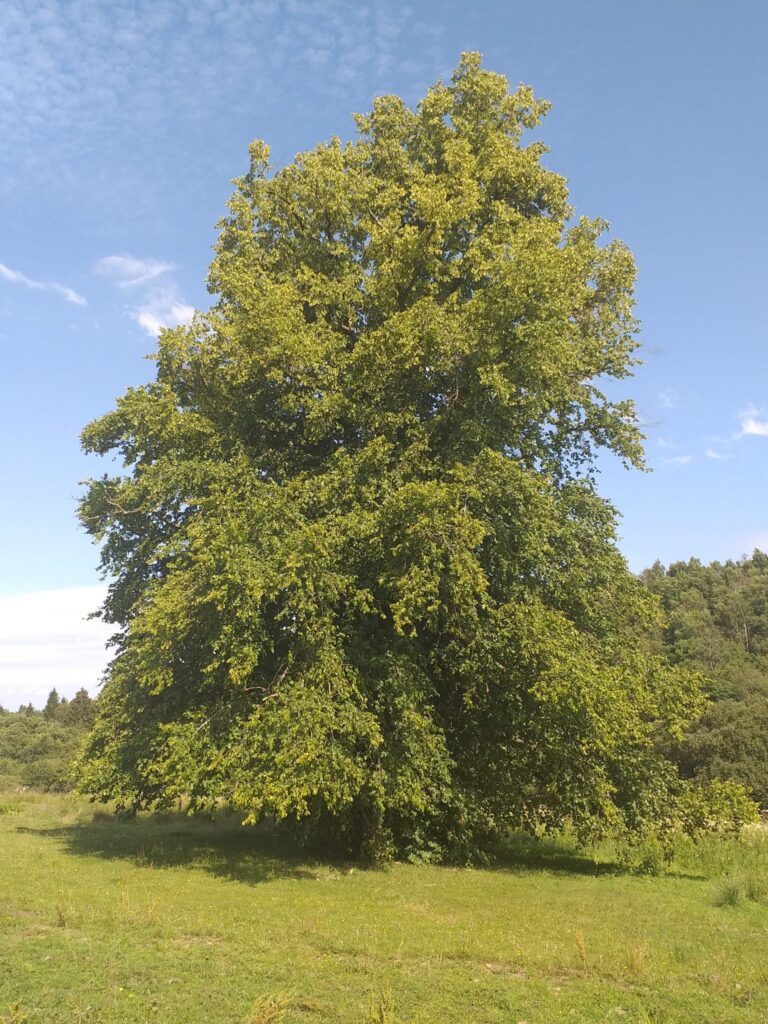
Walk down almost any grand avenue in Britain, the long approach to a country house, the central path of a Victorian park, the canopied boulevard of an old market town and you are almost certainly walking beneath linden trees.
Tilia cordata. The small-leaved lime.
Britain planted these trees in avenues for centuries because they are beautiful and long-lived and because, in early summer, they fill the air with a scent so sweet and penetrating that it can stop you mid-sentence, mid-thought, mid-stride.
Almost nobody picks the flowers.
The French Grandmother
In France, tilleul—linden flower tea—is as ordinary as chamomile.
Drunk after dinner. Stocked in every pharmacie. Understood by grandmothers and schoolchildren alike as the thing you reach for when you cannot come down at the end of the day.
In Germany, the linden has been revered since at least the Middle Ages as the healing tree at the centre of village life. The tree of peace and meeting. The tree under which disputes were settled.
In Britain, we walk beneath its flowering canopy in June, register the scent dimly, and carry on.
This is the quiet paradox at the centre of linden’s story in Britain: one of the most abundant, most structurally significant, most unhurriedly present medicinal trees on the island is also almost entirely invisible as medicine.
Why?
The Heart-Shaped Clue
The heart-shaped leaf of the linden is one of the clearest examples of the doctrine of signatures that the European herbal tradition has to offer.
The doctrine of signatures is an old principle: that a plant’s form reveals its function. That if you learn to read the plant’s physical characteristics, you are already reading something about what it does.
The correspondence between the leaf’s form and linden’s specific therapeutic territory is, in the traditional reading, not decoration but instruction.
The heart-shaped leaves point at the cardiovascular system and at a particular kind of cardiovascular pattern: the anxiety that lives around the heart.
The Full Picture
Linden is a relaxing nervine, antispasmodic, and cardiovascular herb simultaneously, cooling and moistening in character, suited to the hot, tense, over-activated pattern.
Historically used for insomnia, nervous and muscular tension, headaches with a tight or constricted quality, and digestive upset originating from emotional stress, it is an herb that works at the interface between the nervous system and the body that the nervous system governs.
Linden is placed squarely in the tradition of cooling nervines for heat and excitation.
The herbalist Robin Rose Bennett writes that linden “opens the emotional and spiritual heart even as it improves cardiovascular circulation”, a description that sounds poetic until you understand the physiology beneath it, at which point it sounds precise.
The Simplicity
The preparation could hardly be simpler.
A small handful of dried linden flowers and bracts (the pale, wing-like leaf that carries the flower cluster) steeped in just-boiled water for ten minutes, covered to hold the volatile oils.
The flavour is mild, slightly sweet, faintly honeyed. Nothing about it announces itself as medicine.
That is rather the point.
The Invisible Abundance
So we return to our paradox.
Why would Britain plant this tree everywhere (in avenues, in parks, along boulevards) and then completely ignore what it offers every June when it flowers?
Why would the French grandmother reach for tilleul as naturally as we reach for tea, while the British grandmother walks beneath the same tree for seventy years without once considering what those flowers might do?
The answer is not that the medicine isn’t there. The answer is that we stopped looking up.
There is something instructive about the fact that the most accessible nervine-cardiovascular herb in Britain has been growing over our heads, dropping its flowers onto our paths every June, for centuries, and that most people have walked beneath it for a lifetime without pausing to ask what it might be offering.
Learning to see the medicine in what is already present, already ordinary, already abundant—that is one of the oldest skills in herbalism.
The linden avenue was always more than ornamental. It just required someone to look up.